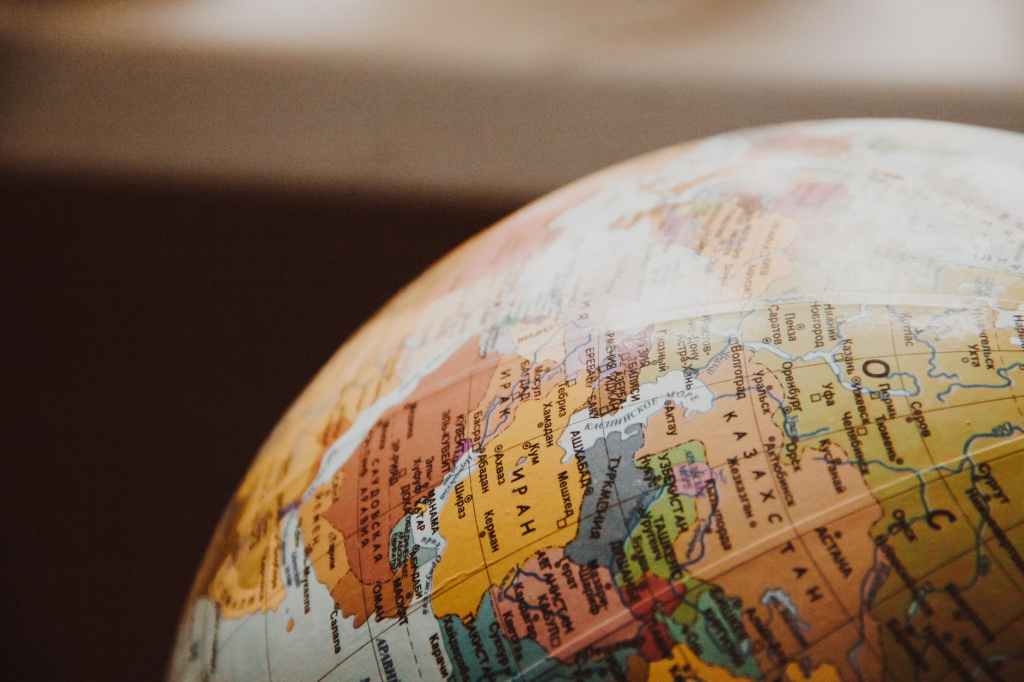
In English class at school, we read an essay titled “Nowhere Man,” written by Pico Iyer in 1997. The essay centered around the author’s experience of being a third-culture kid and feeling indifferent during a time where there weren’t many third-culture kids. I agree with Iyer’s statement, but I do believe this isn’t always the case for everyone. The idea of not having a place to call home, which was the main topic of “Nowhere Man”, is something I can heavily relate to. I was born in the US but moved to Singapore when I was two and have been going to American/international schools my whole life. I identify as Indian since both of my parents are from India, but I myself have never lived there and often feel like a foreigner when I visit India. A line that really stuck with me in the essay was, “…, the America where I am registered as an “alien,” and the almost univisted India that people tell me is my home.” As an Indian-American living in a foreign country, I do often feel like an outsider due to the fact that there are only a few parts of Indian culture that I’ve been raised with. Though I relate to Iyer’s statement, I understand why many other third-culture kids do not. When this essay was written, it was 1997, and at that time, being a third-culture kid was rare. It’s been 25 years and it’s estimated that there are around 220 million third-culture kids in the world. Iyer clearly wasn’t surrounded by many people like him, and this is what caused him to feel indifferent. Iyer proves he feels mentally homeless, and in 1997, a time where social media barely existed, this feeling is understandable. Like I mentioned before, I often feel like an outsider when visiting countries like India. However, now with social media, it has become so much easier to identify with the rest of the world. Social media has helped me stay connected with my family overseas through seeing what’s going on in their lives on Instagram and being able to contact them through Whatsapp group chats. I also have the advantage of going to school with mostly third-culture kids whom I can relate to in some aspects. Recently with Netflix shows like Never Have I Ever, Indian-American third-culture kids are getting more representation. These advantages have made it easier for me to feel a part of a society where not having one designated home is normal. Overall, I support Iyer’s statement, although only to a certain extent since I strongly believe times have changed.
 matcha for the mind