The integration of artificial intelligence (AI) into social media platforms has revolutionized the way we communicate and share moments. One such platform that has embraced AI technology is Snapchat, a popular app among teenagers known for its ephemeral nature and augmented reality features. While AI advancements bring numerous benefits, it’s essential to delve into their potential effects on mental health, particularly among teenagers, who are vulnerable to the influences of technology.
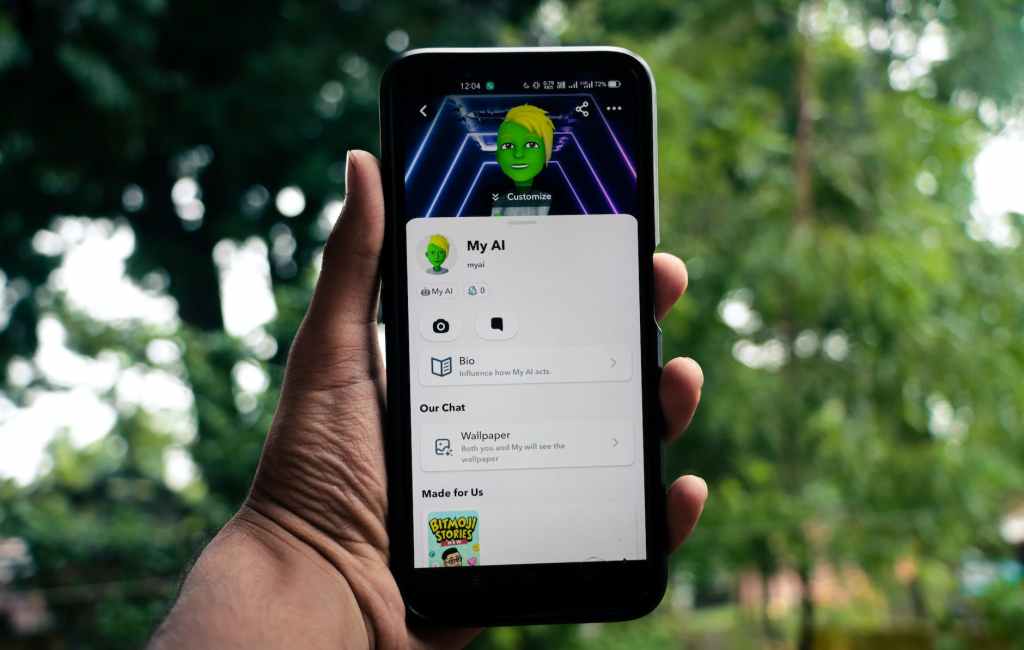
Recently in 2023, AI has been taking over social media. With the release of ChatGPT in November of 2022, other apps and platforms have taken use of the AI module and added this feature to their apps. Snapchat AI being one of them. Snapchat AI became public to all users in April and before that was only available to Snapchat premium users. I remember the day I opened my phone and saw a pink figure pinned on my chats titled “My AI.” I was eager and curious to see how the Snapchat AI would work. Snapchat suggested using the AI for “asking questions about anything” and many turned to it to seek mental health advice.
In addition to just serving as a chat companion, the bot can also have some practical purposes, such as offering gift-buying advice, planning trips, suggesting recipes and answering trivia questions, according to Snap. However, a lot of teens have turned to this bot for mental health support.
This article explores the multifaceted impact of Snapchat AI on the mental well-being of adolescents.
Snapchat is an extremely popular social media platform used by young people to engage with each other through sharing stories, direct messages, and multimedia photo and video content. It’s the app I use for communicating with my friends. Recently it has introduced a new Artificial Intelligence (AI) chatbot called “My AI” designed to help users with various tasks through their messaging section in the Snapchat app. While this new feature can be helpful, there are some potential risks to young people who use this feature.
Snapchat’s incorporation of AI technology has been extensive, ranging from its creative filters and lenses to the personalized content displayed on users’ feeds. Through facial recognition, machine learning algorithms, and data analysis, Snapchat AI tailors content to each user’s preferences, leading to increased engagement and prolonged app usage. However, the consequences of these algorithms on mental health warrant careful consideration.
There are some positive effects of Snapchat AI powered filters and lenses that encourage self-expression and creativity among teenagers. These features provide an outlet for artistic expression, enabling users to experiment with their identity and share unique content.
There is a connection and socialization since the platform enhances social connections by allowing teenagers to share moments in real time. AI-driven content curation can help users discover shared interests, promoting a sense of belonging and connection within peer groups.
Snapchat’s playful AI features offer entertainment and serve as a distraction from daily stressors. By engaging with filters and AR effects, teenagers can temporarily escape their worries, similar to the enjoyment derived from games and other recreational activities.
While there are positive effects, there are also negative effects.
1. Idealized Self-Image: The constant exposure to augmented reality filters can lead to a skewed perception of beauty and self-worth. The desire to present oneself using flawless AI-altered appearances may contribute to body dissatisfaction and low self-esteem.
2. Comparative Social Pressure: Snapchat AI’s content curation might inadvertently amplify social comparison. Teenagers are exposed to meticulously curated content, potentially leading to feelings of inadequacy as they compare their lives to the idealized versions presented on the platform.
3. Validation-Seeking Behavior: The instant gratification of receiving likes, comments, and views on Snapchat can foster a reliance on external validation. Teenagers might become preoccupied with seeking online approval, potentially impacting their self-worth and emotional well-being.
4. Fear of Missing Out (FOMO): Snapchat’s AI-driven content selection could intensify the fear of missing out, a common phenomenon among teenagers. The app’s algorithmic presentation of engaging content might perpetuate the feeling that everyone else is having more exciting experiences.
Mitigating Potential Harm
1. Digital Literacy Education: Schools, parents, and guardians can play a pivotal role in educating teenagers about the AI algorithms used in social media platforms. Understanding how these algorithms work can empower teens to critically evaluate the content they consume.
2. Promoting Authenticity: Encouraging users to share unfiltered moments can help counteract the pressure to maintain an idealized online persona. Emphasizing the value of authenticity can foster healthier online interactions.
3. Balanced Usage: Striking a balance between online and offline activities is crucial. Encouraging teenagers to engage in hobbies, physical activities, and face-to-face interactions can reduce the negative effects of excessive social media use.
Snapchat’s AI-driven features offer both positive and negative impacts on teenagers’ mental health. While the platform facilitates self-expression and connection, it also introduces challenges such as distorted self-perception and validation-seeking behaviors. To harness the benefits of AI while minimizing harm, a collaborative effort involving platform developers, educators, parents, and teenagers themselves is necessary. By promoting digital literacy, authenticity, and balanced usage, we can create an environment where teenagers can enjoy the benefits of technology while safeguarding their mental well-being.
 matcha for the mind